- About
- Product
Products
Skin Conditions

- Treatments
- Homecare
- Gallery

 Find A Clinic
- Find A Clinic
- About
- Devices

- Products
- Skin Conditions
- Treatments
- Homecare
- Gallery
- Contact Us
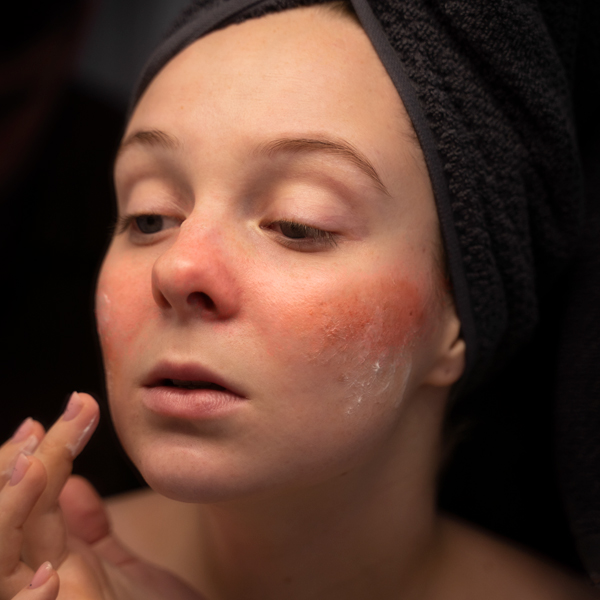
What is Rosacea ?
Rosacea is a chronic skin condition that primarily affects the face, causing redness, visible blood vessels, and sometimes pimples or pustules. It typically occurs in fair-skinned individuals and can develop gradually over time. The condition often affects the central part of the face, such as the cheeks, nose, forehead, and chin, but can also spread to other areas, including the eyes.
Rosacea can vary in severity, with some individuals experiencing mild redness while others develop more pronounced symptoms, such as inflammation and bumps. It is not contagious and is more common in people between 30 and 60, though it can affect anyone.
What Causes Rosacea?
The exact cause of rosacea is not fully understood, but several factors are believed to contribute to the condition
Genetics
A family history of rosacea or other skin conditions can increase the risk of developing it, indicating a genetic predisposition.
Immune System Dysfunction
Some research suggests that rosacea might be linked to an overactive immune response to environmental triggers, resulting in inflammation.
Demodex Mites
People with rosacea have been found to have higher numbers of Demodex mites (tiny organisms that live on the skin). It is speculated that these mites may trigger an inflammatory response in susceptible individuals.
Blood Vessel Abnormalities
Rosacea is thought to be linked to abnormalities in the blood vessels of the skin, which may cause the face to flush and become red.
Environmental and Lifestyle Triggers
Sun exposure, extreme temperatures, stress, and hot drinks are common triggers that can exacerbate rosacea symptoms.
Other potential triggers include spicy foods, alcohol, and strenuous exercise.
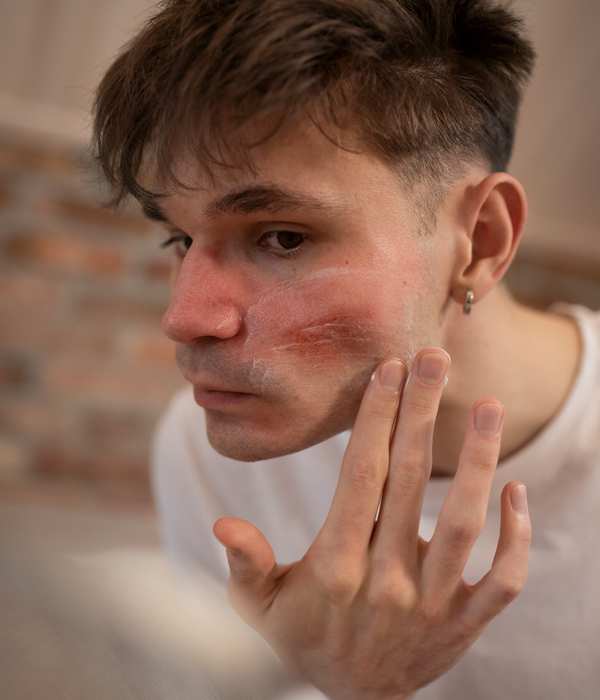
Symptoms and Signs of Rosacea
Persistent Redness
A rosy or flushed appearance, often around the cheeks, nose, and chin. In severe cases, the redness may become permanent.
Visible Blood Vessels
Small blood vessels near the skin's surface become visible, especially on the cheeks and nose.
Bumps and Pimples
Small, red, pus-filled pimples or pustules develop, often without blackheads or whiteheads, which are typically seen in acne.
Thickening Skin
In advanced stages, the skin may become thicker, and areas like the nose may appear swollen and enlarged (rhinophyma).
Eye Symptoms
Irritation, dryness, and redness of the eyes can occur, leading to a condition called ocular rosacea.
Who is at Risk for Rosacea
Age
It most commonly occurs in people aged 30 to 60, though it can develop at any age.
Gender
Women are more likely to have rosacea, but men tend to have more severe cases.
Skin
Type
People with fair skin are more prone to rosacea, especially those with a tendency to blush easily.
Family
History
A genetic predisposition plays a significant role in developing rosacea.
Benefits of Million Fractional Therapy for Rosacea
Reduces Redness and Vascularity
Dermapen4 with Million Fractional Therapy can reduce the appearance of broken blood vessels and redness caused by rosacea by improving blood circulation and skin regeneration.
Anti-Inflammatory Action
The treatment helps calm the skin and reduces the inflammation associated with rosacea, relieving discomfort.
Improves Skin Texture and Tone
Stimulates collagen production and improves the skin’s barrier function can lead to a smoother, more even skin tone.
Non-Invasive
Unlike other more invasive treatments, it offers a non-surgical, safe, and gentle solution to manage rosacea without requiring significant downtime or recovery.
Long-Lasting Results
With consistent treatments, patients can expect lasting improvements in skin texture, reduced redness, and smoother, clearer skin.
Minimal Downtime
It is a minimally invasive procedure, meaning there’s minimal downtime—patients can resume their normal activities within a day or two.
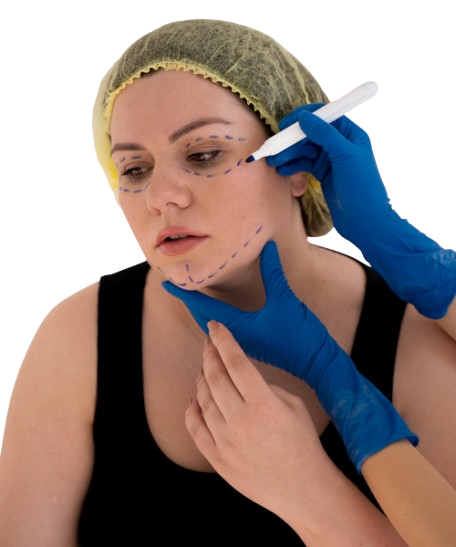
Why Choose Million Fractional Therapy with Dermapen4 for Rosacea?
Precision and Customization
Its adjustable needle depth and advanced technology provide a personalized treatment, addressing each rosacea patient’s unique needs.
Safe for Sensitive Skin
Unlike other treatments that may irritate or trigger rosacea flare-ups, it is specifically designed to work on sensitive skin, making it a safe and effective option.
Proven Results
With consistent treatments, many patients experience significant improvements in redness reduction, skin texture, and overall skin health.
Minimal Downtime
The treatment has minimal downtime, allowing you to quickly return to your daily routine while still enjoying the benefits of a more even and youthful complexion.