- About
- Product
Products
Skin Conditions

- Treatments
- Homecare
- Gallery

 Find A Clinic
- Find A Clinic
- About
- Devices

- Products
- Skin Conditions
- Treatments
- Homecare
- Gallery
- Contact Us

What is Melasma
Melasma is a common skin condition characterized by dark, discolored patches that usually appear on the face. It typically affects areas exposed to the sun, such as the forehead, cheeks, upper lip, and chin. These patches can vary in color from light brown to dark brown or grayish, and they tend to have well-defined edges.
Melasma is more common in women than men and is particularly prevalent in people with darker skin tones, although anyone can develop it. It's often linked to hormonal changes, which is why it is sometimes referred to as the "mask of pregnancy" when it occurs during pregnancy. However, it can also affect people using oral contraceptives or undergoing Hormone Replacement Therapy (HRT).
How Does Melasma Happen
Melasma occurs when the skin produces an excess amount of melanin, the pigment responsible for skin color, which leads to the formation of dark patches. The main factors that contribute to melasma are.
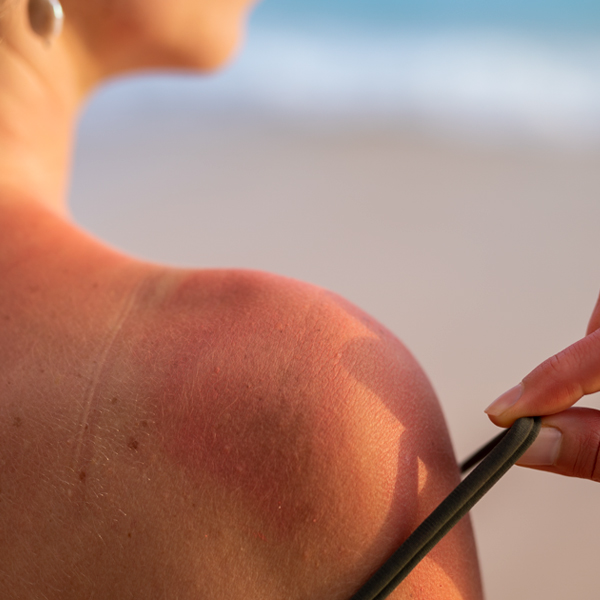
Sun Exposure
UV rays from the sun stimulate melanocytes (the cells that produce melanin), causing them to produce more pigment. Ultraviolet (UV) light is one of the primary triggers for melasma, and even a small amount of sun exposure can exacerbate the condition.
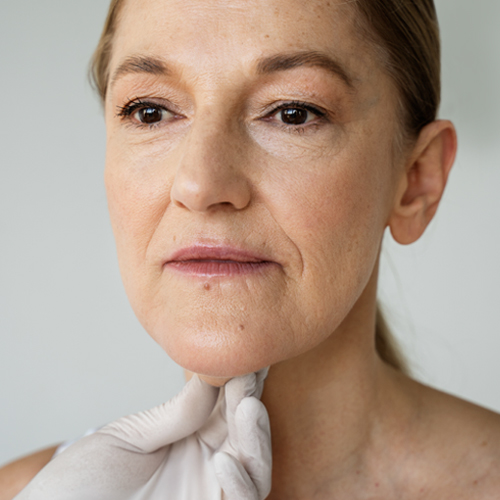
Hormonal Changes
Melasma is often associated with pregnancy, where it’s known as chloasma or the mask of pregnancy. Hormonal fluctuations during pregnancy, as well as during birth control use or hormone replacement therapy (HRT), can trigger or worsen melasma. Estrogen and progesterone are believed to increase melanin production.
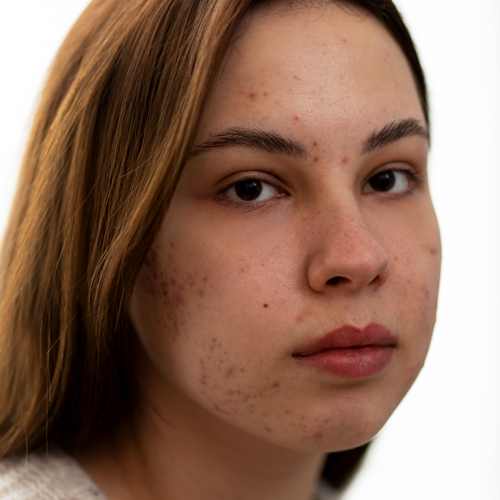
Genetics
Melasma has a genetic component, meaning individuals with a family history of the condition are more likely to develop it.
Other Triggers
Certain medications: Some medications, especially those that affect hormones (like oral contraceptives or pregnancy-related hormones), may trigger melasma.
Cosmetic products: Some cosmetics and skin products, especially those containing irritants, may make melasma worse.
Heat and light exposure: Not just UV rays, but also visible light and heat can contribute to melasma formation.
Key Benefits of Million Fractional Therapy
with Dermapen4 for Melasma
Effective Melanin Regulation
By encouraging the skin’s natural processes, the treatment helps to regulate melanin production, breaking down the excess melanin that causes melasma pigmentation.
Improved Skin Texture and Tone
With continued treatments, melasma can lighten and the skin texture becomes smoother, resulting in a more even skin tone.
Minimal Downtime
Compared to other invasive treatments for melasma (such as laser therapy), Million Fractional Therapy with Dermapen4 requires minimal downtime and is more comfortable.
Long-lasting Results
With a series of treatments, patients can see long-lasting improvements in melasma, with fewer pigmentation marks and a more even complexion.

Why Choose Million Fractional Therapy for Melasma?
Precise and Personalized Treatment
Its adjustable needle depth and speed allow for a personalized approach, tailoring the treatment to the severity of the melasma and the patient’s unique skin type.
Safe for All Skin Types
Unlike some laser treatments, it is safe for all skin types, including darker skin tones, which are more prone to developing melasma.
Non-invasive
There is no need for cutting or surgery, making it a safer and more comfortable option for those with sensitive or compromised skin.
Boosts Skin Health
The treatment not only targets melasma but also helps rejuvenate the overall health and appearance of your skin, leaving it brighter, smoother, and more youthful.